

WEEE Regulations UK Explained
What Are WEEE Regulations?
WEEE stands for Waste Electrical and Electronic Equipment. The UK WEEE Regulations are designed to reduce the environmental impact of electrical and electronic waste by encouraging responsible collection, treatment, reuse, recycling and recovery.
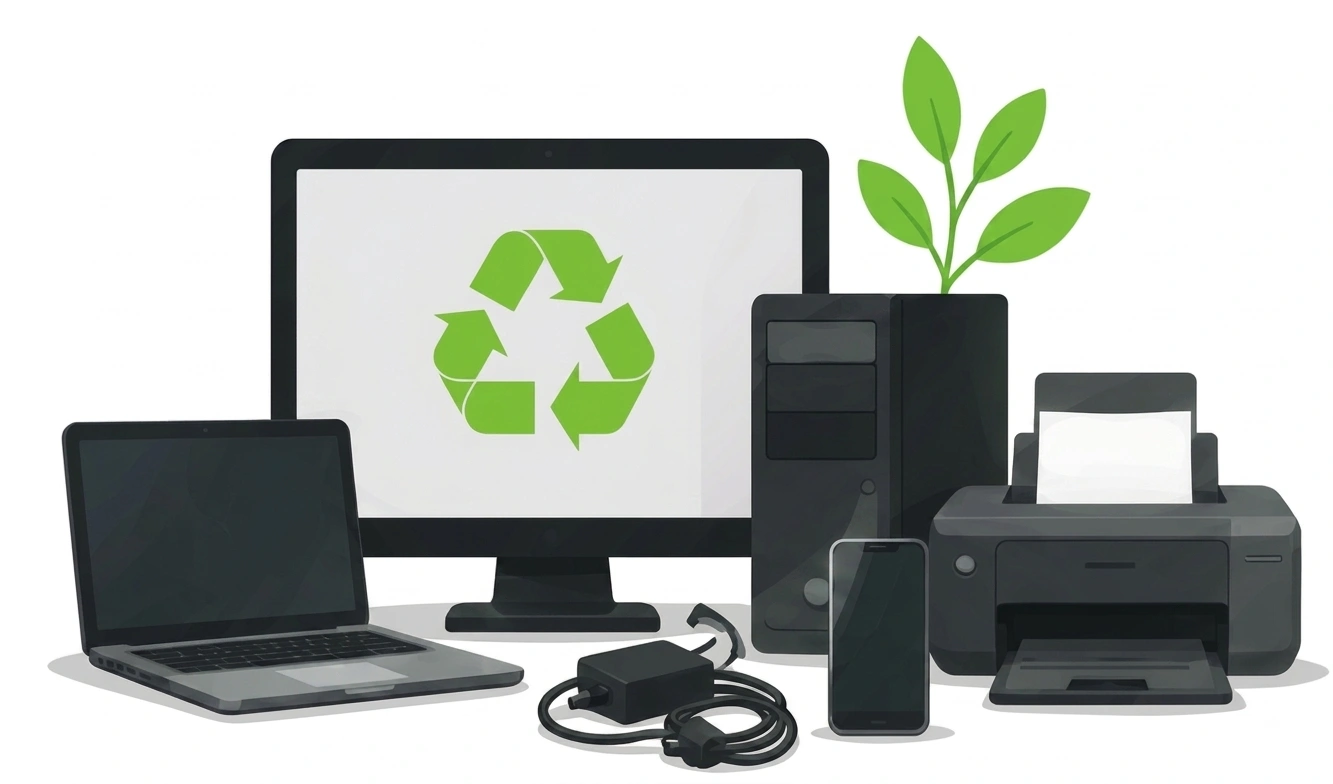
WEEE can include a wide range of equipment used by businesses, schools, public sector organisations and other professional environments, including computers, laptops, servers, printers, monitors, mobile phones and electronic office equipment.
The aim of WEEE regulations is to help ensure electrical and electronic equipment is handled responsibly at the end of its lifecycle rather than being sent through general waste routes.
Why WEEE Regulations Matter
Electronic waste can contain valuable materials, reusable components and substances that require careful handling.
Without responsible disposal, electrical and electronic equipment can contribute to unnecessary landfill waste, environmental harm and poor resource recovery.
For organisations, understanding WEEE regulations helps support responsible waste management, better internal decision-making and clearer disposal records.
Who Should Understand WEEE Regulations?
WEEE regulations are relevant to organisations that use, replace, collect, store, dispose of or manage electrical and electronic equipment.
This can include businesses upgrading IT systems, schools replacing classroom devices, public sector organisations clearing offices, retailers managing electrical returns, data centres removing servers and healthcare organisations disposing of redundant technology.
Any organisation disposing of electronic equipment should ensure that waste is handled through appropriate collection, transfer, recycling or recovery routes.
This guide provides general information only and does not replace legal advice. Organisations should seek appropriate advice for their specific responsibilities where required.
Types of Equipment Covered by WEEE
WEEE regulations cover many types of electrical and electronic equipment used across organisations.
Computers and workstations
Laptops and tablets
Servers and storage devices
Hard drives and data-bearing media
Printers and office equipment
Monitors and display screens
Mobile phones and handheld devices
Networking equipment
Interactive displays and classroom technology
Batteries and battery-containing devices
Small electronic office equipment
In simple terms, equipment that uses electricity, a battery or a plug may fall within WEEE requirements, depending on the item type and circumstances.
Business Responsibilities Under WEEE
Organisations should ensure that redundant electrical and electronic equipment is handled through appropriate waste management and recycling routes.
This may include using a responsible provider, keeping suitable records, ensuring equipment is collected and transferred correctly, and confirming that WEEE is not treated as general waste.
Where IT equipment contains data-bearing devices, organisations should also consider data protection before equipment is reused, recycled or disposed of.
Using a structured IT disposal and WEEE recycling provider can help organisations manage these responsibilities more clearly.
The Role of IT Disposal and WEEE Recycling Services
Professional IT disposal and WEEE recycling services help organisations manage redundant equipment through a structured process.
This can include collection planning, secure handling, equipment sorting, certified data destruction where required, responsible recycling and documentation after processing.
A structured provider can help organisations reduce risk, maintain records and ensure electronic equipment is directed toward suitable reuse, recycling or recovery routes.
Data Protection and WEEE
WEEE regulations focus on environmental management, but IT equipment disposal also creates data protection considerations.
Devices such as computers, laptops, servers, tablets, mobile phones and storage media may contain confidential information even when they are no longer in use.
Before equipment is reused, recycled or disposed of, data-bearing devices should be processed securely to reduce the risk of information being accessed or recovered.
Combining responsible WEEE recycling with certified data destruction can help organisations manage both environmental and data security risks.
Documentation and WEEE Compliance Records
Documentation is an important part of responsible IT disposal and WEEE recycling.
After equipment has been processed, organisations may receive records confirming how equipment, waste and data-bearing devices have been handled.
Waste Transfer Note
Data Destruction Certificate
Serial Number Asset Report
These documents can support internal reporting, audits, procurement checks, asset management, environmental records and compliance processes.
Clients can also use the downloads page to access selected compliance documents, licences, certificates, process documents, legal requirement documents and image guides.
WEEE Regulations and Environmental Responsibility
Responsible recycling helps recover useful materials and reduce the environmental impact of electronic waste.
Where suitable, equipment may be assessed for reuse or refurbishment. Equipment that is not suitable for reuse should be directed toward appropriate recycling or recovery routes.
WEEE regulations encourage better handling of electrical and electronic equipment so that waste is managed responsibly and useful materials can be recovered where possible.
WEEE Compliance Support Across London and Surrounding Areas
We support organisations across London, surrounding counties and selected UK locations with structured IT disposal and WEEE recycling services.
Our regular service areas include Greater London, Kent, Surrey, Essex and Hertfordshire, with wider UK collections considered depending on equipment type, volume and project requirements.
Each collection is reviewed to ensure equipment can be handled safely, data-bearing devices can be processed securely and documentation requirements can be confirmed.

Frequently Asked Questions
What does WEEE stand for?
WEEE stands for Waste Electrical and Electronic Equipment. It refers to electrical and electronic items that need to be handled responsibly when they are no longer required.
Do WEEE regulations apply to IT equipment?
Yes. IT equipment such as computers, laptops, servers, printers, monitors, mobile phones and storage devices can fall within WEEE requirements.
Can businesses throw IT equipment in general waste?
Electrical and electronic equipment should not normally be disposed of through general waste. It should be handled through appropriate WEEE recycling or waste management routes.
Do WEEE regulations cover data destruction?
WEEE regulations focus mainly on environmental handling of electrical and electronic waste. However, IT equipment may also contain data-bearing devices, so secure data destruction should be considered before reuse, recycling or disposal.
What documents should organisations keep?
Relevant documents may include Waste Transfer Notes, Data Destruction Certificates, Serial Number Asset Reports and other records showing how equipment has been handled.
Where can I download compliance documents?
Selected licences, certificates, compliance documents, process documents, legal requirement documents and image guides can be accessed from the downloads page.
Arrange WEEE-Compliant IT Disposal
If your organisation needs to dispose of IT equipment responsibly, our team can arrange a secure and structured collection.
We provide professional IT disposal, certified data destruction and WEEE-compliant recycling services designed to support organisations across London, surrounding counties and selected UK locations.