
Is IT Recycling Free?
Understanding IT Recycling Costs
Many organisations ask whether IT recycling is free. The answer depends on the equipment type, quantity, condition, location, access requirements and services required.
In many cases, IT equipment collections may be provided free of charge where the equipment has enough reuse, recovery or recycling value to support the cost of collection and processing.
In other cases, a charge may apply if the equipment has limited value, requires specialist handling, involves complex access or needs additional services.
Understanding how IT recycling is assessed helps organisations plan their disposal process clearly and avoid unexpected costs.
When IT Recycling Can Be Free

IT recycling may be free when equipment has reuse value, refurbishment potential, recovery value or sufficient volume to make the collection viable.
This is more likely when organisations are disposing of suitable computers, laptops, servers, networking equipment, mobile devices, storage devices or mixed IT equipment in reasonable quantities.
Larger collections may also be more practical to provide free of charge because transport, handling and processing can be planned more efficiently.
Each collection is reviewed individually before confirmation.
When IT Recycling May Incur Costs
Some IT recycling collections may involve a charge where equipment has little or no reuse value, limited recovery value or requires additional handling.
Costs may also apply where collections involve small quantities, difficult access, long travel distances, heavy items, specialist waste, damaged batteries, CRT displays, certain screens or equipment that is expensive to process.
Additional services such as on-site data destruction, complex asset reporting, multi-site collections or specialist equipment removal may also affect pricing.
If a cost applies, this should be confirmed before collection is arranged.
Factors That Affect IT Recycling Costs
Several factors influence whether IT recycling is free or chargeable.
Type of equipment
Quantity of items
Condition of devices
Reuse or refurbishment potential
Recovery or recycling value
Collection location
Parking, loading and access requirements
Whether equipment is loose, boxed or palletised
Whether data destruction is required
Whether asset reporting is required
Whether batteries or specialist items are included
Whether the collection is single-site or multi-site
These factors are reviewed before collection so the most suitable option can be confirmed.
The Role of Data Destruction
Secure data destruction is an important part of IT disposal where equipment contains hard drives, SSDs, servers, laptops, tablets, mobile phones or other data-bearing devices.
Data destruction requirements may influence the collection process depending on the method required, the number of devices and whether destruction is carried out on site or after collection.
Certified data destruction helps organisations reduce the risk of confidential information being accessed or recovered from redundant equipment.
The right method can depend on equipment type, data sensitivity, internal policy and documentation requirements.
Balancing Cost, Security and Responsibility
Cost is important, but organisations should not choose an IT recycling route based only on price.
A low-cost or free collection should still include responsible handling, secure processing of data-bearing devices, appropriate recycling routes and clear documentation where applicable.
Using a structured IT disposal provider helps organisations manage security, environmental responsibility and disposal records in one process.
Environmental Responsibility
Responsible recycling ensures that electronic waste is directed toward appropriate reuse, recycling or recovery routes.
Even when IT recycling is free, organisations should ensure equipment is handled by a responsible provider and not treated as general waste.
Where suitable, equipment may be assessed for reuse or refurbishment. Equipment that is not suitable for reuse should be processed through WEEE-compliant recycling streams.
Documentation and Compliance Records
Regardless of whether a collection is free or chargeable, organisations may need documentation confirming how equipment has been handled.
Data Destruction Certificate
Serial Number Asset Report
Waste Transfer Note
These records can support audits, procurement checks, internal reporting, asset management, data protection processes and environmental documentation.
The documentation issued may depend on the equipment type, collection scope, data destruction requirements and processing route.
Clients can also use the downloads page to access selected licences, certificates, compliance documents, process documents, legal requirement documents and image guides.
Examples of Collections That May Qualify for Free
Recycling
Free IT recycling may be possible where the equipment type, quantity, location and recovery value make the collection viable.
Office IT refreshes with suitable computers and laptops
School equipment upgrades with reusable or recyclable devices
Business collections with mixed IT equipment in reasonable volume
Server, networking or storage equipment collections
Larger WEEE recycling projects with sufficient equipment volume
Collections where equipment can be assessed for reuse or refurbishment
These are examples only. Every collection is reviewed individually before confirmation.
Examples of Collections That May Require a Quote
A quote may be required where collection, processing or handling costs are higher than the reuse or recovery value of the equipment.
Very small collections
Difficult access or restricted parking/loading
Collections outside regular service areas
Large quantities of low-value or difficult-to-process items
Damaged, swollen or loose batteries
Specialist or hazardous items requiring review
Complex multi-site projects
On-site data destruction requirements
Detailed asset reporting requirements
If a charge applies, this will be confirmed before collection is booked.
IT Recycling Services Across London and Surrounding Areas
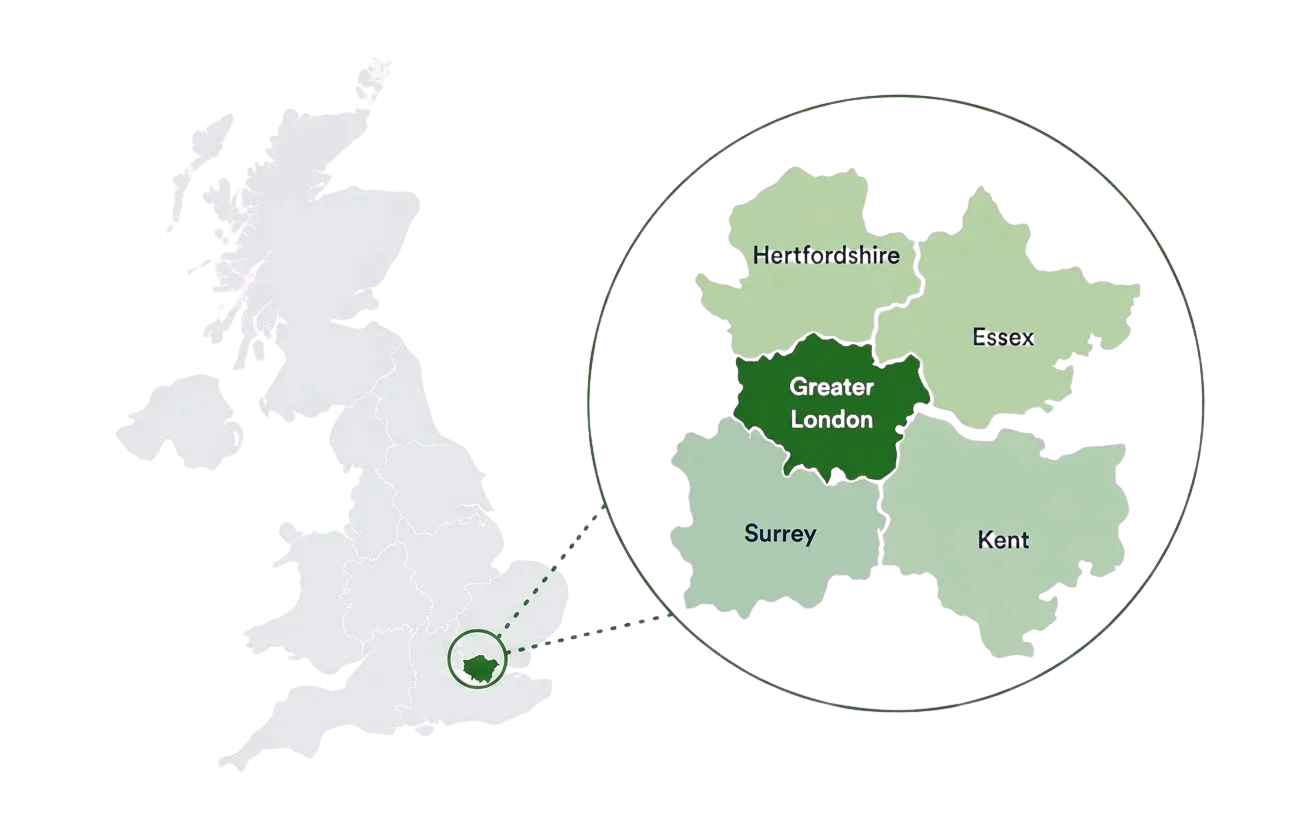
We provide IT recycling and equipment collection services across London, surrounding counties and selected UK locations.
Our regular service areas include Greater London, Kent, Surrey, Essex and Hertfordshire, with wider UK collections considered depending on equipment type, volume and project requirements.
Each request is reviewed individually to confirm whether the collection can be provided free of charge or whether a quote is required.
Frequently Asked Questions
Is IT recycling always free?
No. Many IT recycling collections can be free, but this depends on equipment type, quantity, condition, location, access requirements and recovery value.
What makes an IT recycling collection free?
A collection is more likely to be free where equipment has reuse, refurbishment, recovery or recycling value and the collection is practical to carry out.
Will I be charged without knowing?
No. If a charge applies, this should be confirmed before collection is arranged.
Does secure data destruction cost extra?
It depends on the method required, the number of data-bearing devices and whether destruction is carried out on site or after collection.
Can large collections be free?
Large collections may qualify for a free service where the equipment type, volume, location and recovery value make the project viable.
Can damaged batteries affect collection cost?
Yes. Damaged, swollen, leaking or overheating batteries may require special handling and should be disclosed before collection is arranged.
Where can I download compliance documents?
Selected licences, certificates, compliance documents, process documents, legal requirement documents and image guides can be accessed from the downloads page.
Arrange IT Recycling
If your organisation needs to recycle IT equipment, our team can review your requirements and confirm the most suitable collection option.
We provide professional IT disposal, certified data destruction and WEEE-compliant recycling services across London, surrounding counties and selected UK locations.
Submitting a collection request does not automatically confirm a charge. If a cost applies, this will be confirmed before collection is arranged.