

WEEE Legislation and Compliance
WEEE legislation and compliance are important considerations for organisations that handle, replace, sell, dispose of or recycle electrical and electronic equipment.
Businesses, schools, public sector organisations, retailers, distributors, producers and institutions may all have different responsibilities depending on how they use, sell, distribute, import, manufacture or dispose of electrical and electronic equipment.
This guide provides general information about WEEE responsibilities, electronic waste, documentation, data protection and responsible recycling. It is not legal advice, and organisations should seek professional guidance where specific legal or regulatory advice is required.
What Does WEEE Mean?
WEEE stands for Waste Electrical and Electronic Equipment. It refers to electrical and electronic items that have reached the end of their useful life and require proper handling, disposal or recycling.
Examples of WEEE can include computers, laptops, servers, monitors, printers, mobile phones, tablets, networking equipment, electrical tools, office electronics and other equipment powered by electricity or batteries.
WEEE should not be treated as general waste. It should be collected, separated, processed and recycled through appropriate routes to support responsible waste management.
Why WEEE Legislation Exists
WEEE legislation is designed to reduce the amount of electrical and electronic equipment sent to landfill or unsuitable disposal routes. It encourages reuse, recycling, recovery and responsible treatment of electrical and electronic products.
Electrical and electronic equipment can contain valuable materials that may be recovered, as well as components that require careful handling.
For organisations, understanding WEEE legislation helps support responsible disposal decisions, clearer internal processes and better waste management records.
Different Responsibilities for Different Organisations
WEEE responsibilities can vary depending on the role of the organisation.
A business disposing of its own redundant office equipment will not always have the same responsibilities as a retailer, distributor, producer, importer or manufacturer of electrical and electronic equipment.
Organisations should understand whether they are disposing of business equipment, selling electrical goods, handling customer take-back items, distributing products, importing equipment or managing waste on behalf of others.
Understanding the organisation’s role helps determine what records, processes, collection routes or compliance steps may be required.
Business Waste Duty of Care
Organisations that produce, store, transport or dispose of business waste have a duty of care to ensure waste is handled responsibly.
For WEEE and IT equipment, this can include storing equipment safely before collection, keeping waste separate where appropriate, using suitable collection or recycling routes and keeping accurate records of waste transfers.
For many business waste movements, a Waste Transfer Note or document containing the required information may be needed. This helps provide a clear record of how waste has been transferred and handled.
The exact documentation required can depend on the waste type, transfer route and circumstances, so organisations should seek appropriate advice where required.
Retailer and Distributor WEEE Responsibilities
Retailers and distributors that sell electrical and electronic equipment may have additional WEEE responsibilities.
These can include providing customers with a route to dispose of old electrical or electronic equipment when selling a new equivalent item.
These responsibilities may apply whether equipment is sold in-store, online, by mail order or by telephone. The exact requirements can depend on the type of products sold, the sales method and whether the organisation participates in an approved take-back arrangement.
Retailers, distributors and large brands should review their WEEE responsibilities carefully and use appropriate collection and recycling routes for customer take-back items, store returns, depot waste and obsolete electrical stock.
Producer, Importer and Manufacturer Considerations
Organisations that manufacture, import, rebrand or place electrical and electronic equipment on the UK market may have additional producer responsibilities.
These responsibilities can include registration, reporting, financing collection or treatment and meeting producer compliance requirements depending on the organisation’s role and the type of equipment involved.
Businesses that may fall into these categories should seek appropriate compliance advice to understand their exact obligations.
Data Protection and WEEE Compliance
WEEE compliance is not only about environmental responsibility. Many electrical and electronic devices also contain data-bearing components such as hard drives, solid state drives, memory cards and mobile storage.
Electronic records and data-bearing devices should be handled securely using appropriate methods before, during and after disposal. This is especially important when disposing of computers, laptops, servers, mobile phones or storage devices.
Organisations should ensure data-bearing equipment is processed securely before reuse, recycling or disposal to reduce the risk of confidential information being accessed or recovered.
Documentation and Compliance Records
Documentation is an important part of responsible WEEE disposal and IT equipment recycling. Records help organisations show how equipment was collected, processed and documented after leaving their site.
Waste Transfer Note
Data Destruction Certificate
Serial Number Asset Report
Collection records
Recycling or processing documentation, where applicable
The type of documentation required or provided may depend on the equipment, service, collection type and whether data-bearing devices are included.
Keeping clear records can support internal audits, environmental reporting, asset management and compliance processes.
Clients can also use the downloads page to access selected licences, certificates, compliance documents, process documents, legal requirement documents and image guides.
WEEE Recycling and Environmental Compliance
Responsible WEEE recycling helps organisations reduce unnecessary landfill waste and ensure electrical and electronic equipment is processed through appropriate recycling or recovery routes.
Where suitable, equipment may be assessed for reuse or refurbishment. Equipment that is not suitable for reuse should be processed through responsible WEEE recycling streams.
This supports environmental responsibility by helping organisations manage electronic waste safely, responsibly and with clear documentation.
Common WEEE Compliance Risks
Organisations can create unnecessary risk when electrical and electronic waste is handled without a clear process.
Disposing of WEEE with general waste
Failing to keep disposal records
Using unsuitable or unverified collection routes
Failing to identify data-bearing devices
Storing redundant equipment for long periods
Mixing damaged batteries with general equipment
Not separating equipment that requires special handling
Failing to understand retailer or distributor responsibilities
Failing to check producer, importer or manufacturer obligations where relevant
A structured WEEE recycling and IT disposal process helps reduce these risks and gives organisations clearer control over redundant equipment.
How Organisations Can Improve WEEE Compliance
Organisations can improve WEEE compliance by creating a clear internal process for identifying, storing, collecting and documenting electrical and electronic waste.
Identify WEEE separately from general waste
Keep an inventory of equipment where practical
Separate data-bearing devices for secure handling
Provide clear collection information to staff or sites
Use appropriate WEEE recycling and IT disposal providers
Keep Waste Transfer Notes and disposal documentation
Review retailer or distributor responsibilities where relevant
Check producer or importer responsibilities where relevant
Plan large WEEE collections in advance
Train staff on safe storage and handling requirements
These steps can help organisations manage WEEE more responsibly and support compliance across different sites, departments or locations.
How WEEE Recycling Planet Supports Responsible Disposal
WEEE Recycling Planet supports organisations with structured WEEE recycling, IT asset disposal, certified data destruction and documentation.
Our services are designed to help organisations manage electrical and electronic waste responsibly, protect data-bearing devices and maintain clear disposal records.
We do not provide legal advice, but our collection, recycling and documentation processes can support organisations in meeting internal compliance, environmental and data protection requirements.
WEEE Recycling Support Across London and Surrounding Areas
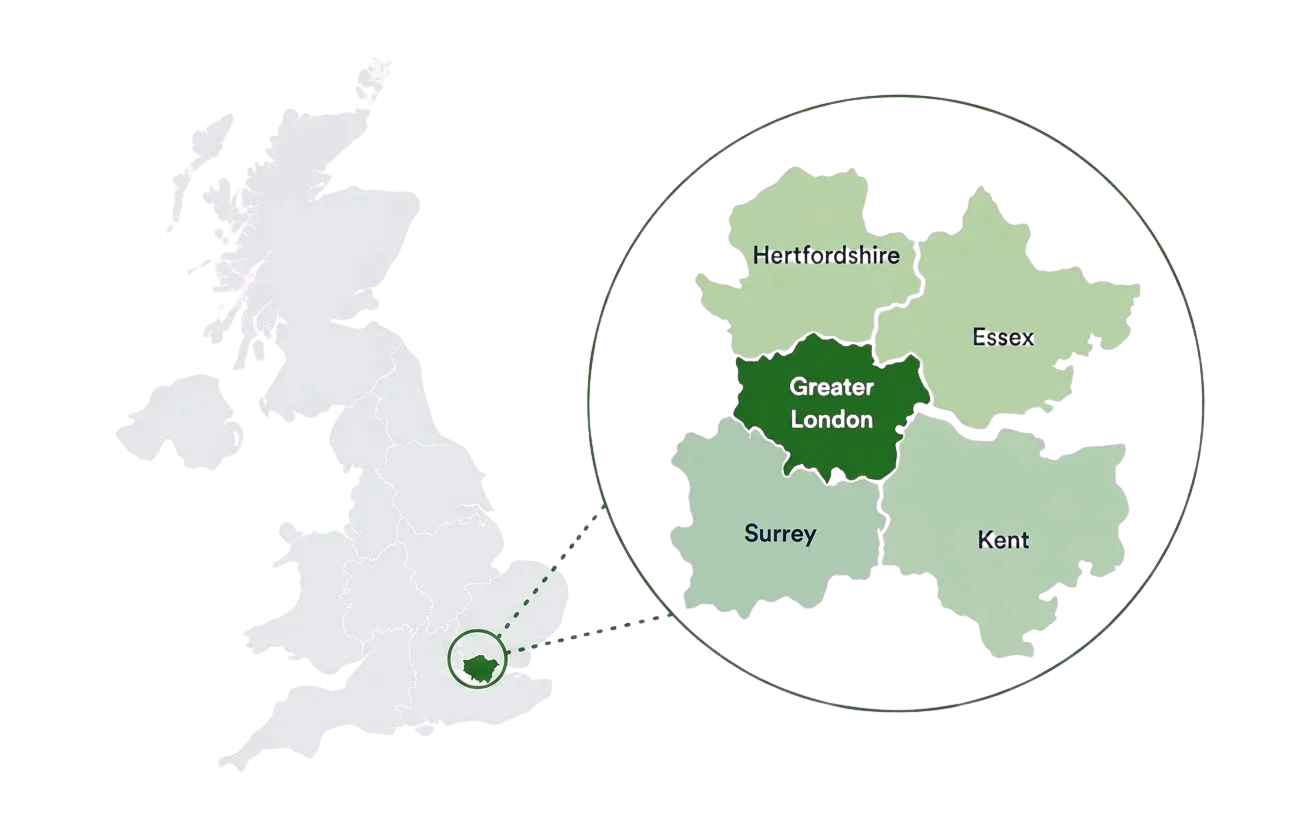
We support organisations across London, surrounding counties and selected UK locations with WEEE recycling, IT disposal, certified data destruction and documentation.
Our regular service areas include Greater London, Kent, Surrey, Essex and Hertfordshire, with wider UK collections considered depending on equipment type, volume and project requirements.
Each collection is reviewed to confirm the most suitable approach before collection is arranged.
Frequently Asked Questions
What is WEEE compliance?
WEEE compliance means managing waste electrical and electronic equipment through appropriate collection, handling, recycling and documentation routes in line with relevant responsibilities.
Do businesses need to separate WEEE from general waste?
Businesses should ensure electrical and electronic waste is handled through suitable routes rather than being treated as normal general waste.
Do retailers have WEEE responsibilities?
Retailers and distributors that sell electrical and electronic equipment may have responsibilities relating to customer take-back information, collection options or WEEE disposal arrangements.
Do producers and importers have extra WEEE responsibilities?
Organisations that manufacture, import, rebrand or place electrical and electronic equipment on the UK market may have additional producer responsibilities and should seek appropriate compliance advice.
Does WEEE compliance include data protection?
Where equipment contains data-bearing devices, secure data handling is an important part of responsible disposal. Data should be protected before equipment is reused, recycled or disposed of.
What documents should organisations keep?
Useful records can include Waste Transfer Notes, Data Destruction Certificates, Serial Number Asset Reports, collection records and other disposal documentation where applicable.
Where can I download compliance documents?
Selected licences, certificates, compliance documents, process documents, legal requirement documents and image guides can be accessed from the downloads page.
Arrange WEEE Recycling and Compliance Support
If your organisation needs to dispose of electrical or electronic equipment, WEEE Recycling Planet can help arrange secure collection, responsible recycling, certified data destruction and documentation.
We support businesses, retailers, schools, public sector organisations and other professional environments with structured WEEE recycling and IT disposal services across London, surrounding counties and selected UK locations.