

Carbon Reduction and IT Recycling
Responsible IT recycling can support carbon reduction goals by helping organisations extend the life of usable equipment, recover materials and reduce unnecessary electronic waste.
Computers, laptops, servers, monitors and other electronic equipment require raw materials, energy and transport throughout their lifecycle. When equipment is reused, refurbished or recycled responsibly, organisations can manage redundant technology in a more sustainable way.
The exact carbon impact of IT reuse or recycling depends on factors such as equipment type, condition, transport, processing method and whether items are reused, refurbished or recycled.
Our role is to help organisations follow a structured, responsible and secure disposal process that supports reuse where suitable, WEEE recycling where required and clear documentation after processing.
Explore environmental resources
Environmental Commitment
How IT Recycling Can Support Carbon Reduction
IT recycling can support carbon reduction by helping organisations avoid unnecessary disposal, recover useful materials and make better use of existing equipment where reuse is possible.
When electronic equipment is processed responsibly, materials such as metals, plastics and electronic components may be recovered through appropriate recycling streams. This helps reduce waste and supports more responsible resource management.
Carbon reduction is not only about end-of-life recycling. It also includes extending equipment lifespan, identifying devices suitable for reuse and avoiding long-term storage of redundant technology.
Responsible IT recycling should be viewed as part of a wider sustainability approach, not as a guaranteed carbon saving for every device or collection.
Reuse Before Recycling
Where equipment is still suitable, reuse, refurbishment or redistribution through community and charity routes may provide a better environmental outcome than immediate recycling.
Extending the working life of computers, laptops and other devices can help reduce demand for replacement equipment and support better use of existing resources.
Suitable devices may be directed towards community initiatives where appropriate. Equipment that is not suitable for reuse can still be processed through responsible WEEE recycling streams.
Before any equipment is reused, data-bearing devices should be processed securely to help protect confidential information.
Responsible WEEE Recycling
Not all IT equipment is suitable for reuse. Devices that are damaged, obsolete or not viable for refurbishment should be handled through responsible WEEE recycling.
WEEE recycling ensures electrical and electronic equipment is collected, sorted and processed through appropriate routes. This supports material recovery and helps prevent electronic equipment from entering general waste streams.
Using a structured WEEE recycling service helps organisations manage redundant equipment responsibly while maintaining clear records of how items have been handled.
Reducing Electronic Waste
Electronic waste, often called e-waste, is created when electrical and electronic equipment reaches the end of its working life.
For organisations, this can include computers, laptops, servers, printers, monitors, networking equipment, mobile devices, batteries, cables and office electronics.
Reducing e-waste starts with better equipment management. Organisations can help by planning upgrades carefully, identifying equipment that may be suitable for reuse and recycling unsuitable items through proper WEEE recycling processes.
A structured IT recycling approach helps reduce unnecessary waste while supporting safer and more responsible technology disposal.
Secure Data Handling and Sustainability
Environmental responsibility must be balanced with data security. Many IT devices contain storage components that may hold confidential business, customer or organisational information.
Before equipment is reused or recycled, data-bearing devices should be processed securely to reduce the risk of information being accessed or recovered.
A secure IT recycling process allows organisations to support reuse, recycling and sustainability goals without overlooking data protection responsibilities.
This is especially important when equipment contains hard drives, SSDs, servers, laptops, tablets, mobile phones or removable storage media.
How Organisations Can Reduce the Environmental Impact of IT Equipment
Organisations can reduce the environmental impact of IT equipment by making responsible decisions throughout the equipment lifecycle.
Extend the use of working equipment where practical
Assess suitable devices for reuse or refurbishment
Recycle obsolete equipment through responsible WEEE streams
Avoid storing redundant equipment for long periods
Plan technology upgrades with disposal in mind
Process data-bearing devices securely before reuse or recycling
Keep records of how equipment has been handled
Work with a responsible IT disposal and recycling provider
Review large clearances before equipment becomes difficult to manage
Consider donation or community reuse routes where suitable
These actions can help organisations reduce waste, support sustainability goals and manage redundant technology in a more responsible way.
Documentation and Environmental Records
Clear documentation helps organisations demonstrate that IT equipment has been handled through a structured disposal and recycling process.
After processing, documentation may be provided to support internal reporting, audits, environmental records, asset management and procurement checks.
Waste Transfer Note
Data Destruction Certificate
Serial Number Asset Report
These records can help organisations show that equipment has been collected, processed and documented responsibly.
Clients can also use the downloads page to access selected licences, certificates, compliance documents, process documents, legal requirement documents and image guides.
Supporting Sustainability and Impact Reporting
Many businesses, schools, public sector organisations and institutions are working to reduce waste, improve environmental practices and strengthen sustainability reporting.
Responsible IT disposal can support these goals by helping organisations reuse suitable equipment, recycle obsolete items and ensure electronic waste is handled correctly.
By combining secure data handling with responsible recycling, organisations can manage redundant technology in a way that supports both risk management and environmental responsibility.
Where impact reporting is required, organisations should keep clear records of equipment collected, reuse routes where applicable, recycling routes and documentation issued after processing.
Carbon Reduction for Larger IT Disposal Projects
For larger organisations, environmental impact can be better managed through planned IT disposal projects, office clearances and multi-site recycling programmes.
Large volumes of redundant equipment should be handled through a structured process to ensure devices are collected efficiently, assessed appropriately and processed through suitable reuse or recycling routes.
This approach helps reduce unnecessary waste while supporting consistent environmental and compliance practices across multiple locations.
Large projects may also benefit from clearer asset records, improved reporting and a more organised approach to equipment removal.
IT Recycling and Carbon Reduction Across London and Surrounding Areas
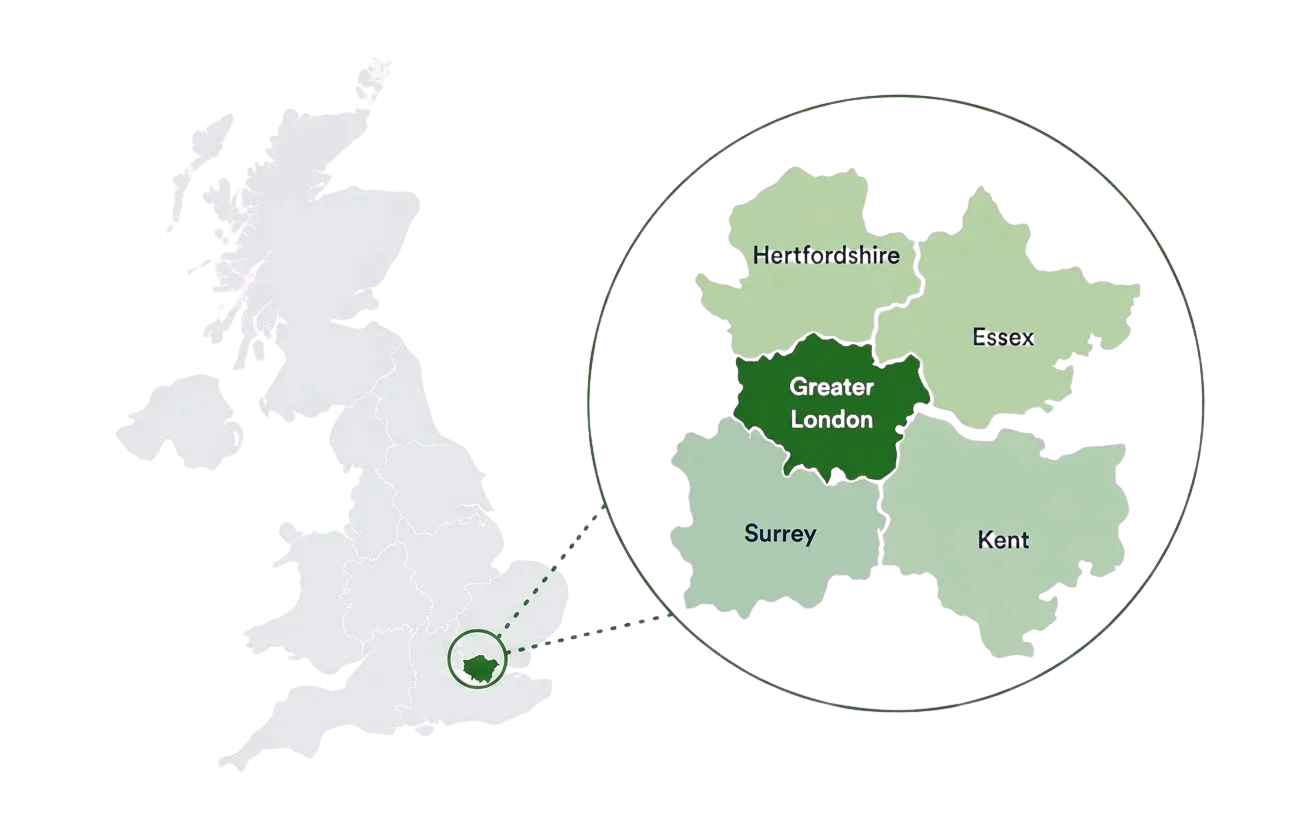
We support organisations across London, surrounding counties and selected UK locations with responsible IT recycling, WEEE recycling, certified data destruction and documentation.
Our regular service areas include Greater London, Kent, Surrey, Essex and Hertfordshire, with wider UK collections considered depending on equipment type, volume and project requirements.
Each collection is reviewed to confirm the most suitable approach before collection is arranged.
Frequently Asked Questions
Can IT recycling reduce carbon impact?
IT recycling can support carbon reduction goals by reducing waste, recovering materials and helping suitable equipment remain in use for longer through reuse or refurbishment.
Is reuse better than recycling?
Where equipment is suitable, reuse can extend the life of technology and reduce the need for replacement devices. Equipment that is not suitable for reuse should be recycled responsibly.
What IT equipment can be recycled?
Common recyclable IT equipment includes computers, laptops, servers, monitors, printers, networking equipment, mobile phones, storage devices, batteries, cables and office electronics.
Does data need to be destroyed before recycling?
Yes. Data-bearing devices should be processed securely before reuse or recycling to reduce the risk of confidential information being accessed or recovered.
Can organisations receive documentation after recycling?
Yes. Documentation may be provided after processing, including Waste Transfer Notes, Data Destruction Certificates and Serial Number Asset Reports where applicable.
Where can I download certificates or compliance documents?
Selected licences, certificates, compliance documents, process documents, legal requirement documents and image guides can be accessed from the downloads page.
Arrange Responsible IT Recycling
If your organisation wants to dispose of IT equipment responsibly, WEEE Recycling Planet can arrange secure collection, data handling, WEEE recycling and documentation.
We support organisations with IT recycling services designed to reduce waste, protect data and support environmental responsibility across London, surrounding counties and selected UK locations.