

What Is E-Waste?
E-waste, also known as electronic waste, refers to electrical and electronic equipment that is no longer wanted, usable or suitable for its original purpose.
For organisations, e-waste can include computers, laptops, servers, monitors, printers, mobile phones, tablets, networking equipment, batteries, cables, office electronics and other devices powered by electricity or batteries.
E-waste should be handled responsibly because electronic equipment can contain valuable materials, data-bearing components and parts that require appropriate recycling or disposal routes.
This guide provides general information only and does not replace legal or regulatory advice. Organisations should seek appropriate advice for specific responsibilities where required.
Explore related guides
View All Guides
What Counts as E-Waste?
E-waste includes a wide range of electrical and electronic equipment that has reached the end of its useful life or is no longer needed by an organisation.
This can include IT equipment, communication devices, office electronics, display screens, storage devices, batteries and electrical accessories.
Computers and desktops
Laptops
Servers and storage devices
Hard drives and data-bearing media
Monitors and displays
Printers and office equipment
Mobile phones and tablets
Networking equipment
Interactive whiteboards and displays
Batteries and battery-containing devices
Cables, chargers and accessories
Small electrical equipment
Why E-Waste Matters
E-waste is one of the fastest-growing waste streams in the world. The Global E-waste Monitor 2024 reported that 62 million tonnes of e-waste were generated globally in 2022, and 22.3% was documented as formally collected and recycled.
Electronic equipment can contain valuable materials such as metals, plastics and electronic components that may be recovered through appropriate recycling processes.
If e-waste is handled incorrectly, it can contribute to unnecessary landfill waste, environmental harm and data security risks for organisations.
E-Waste and WEEE
In the UK, e-waste is closely connected to WEEE, which stands for Waste Electrical and Electronic Equipment.
WEEE refers to electrical and electronic equipment that requires proper handling when it becomes waste. This includes many common business devices such as computers, laptops, servers, printers, monitors and mobile phones.
WEEE recycling helps ensure electronic equipment is collected, separated, processed and recycled through appropriate routes instead of being treated as general waste.
Why Businesses Need to Handle E-Waste Responsibly
Businesses and organisations can generate e-waste through office moves, IT upgrades, equipment replacements, school refurbishments, data centre changes, retail returns and warehouse clearances.
E-waste should be managed through a structured process to reduce environmental impact, protect data-bearing devices and maintain clear disposal records.
Responsible e-waste management helps organisations avoid storing redundant equipment for long periods and ensures items are directed toward suitable reuse, recycling or recovery routes.
Data Security and E-Waste
Many e-waste items contain data-bearing components, including hard drives, solid state drives, memory cards, servers, laptops, tablets and mobile phones.
Before electronic equipment is reused, recycled or disposed of, data-bearing devices should be processed securely to reduce the risk of confidential information being accessed or recovered.
Certified data destruction can form an important part of responsible e-waste disposal for businesses, schools, public sector organisations and other professional environments.
Reuse, Recycling and Material Recovery
Not all e-waste should automatically be recycled immediately. Where equipment is still suitable, reuse or refurbishment may help extend the life of technology and reduce unnecessary waste.
Equipment that is not suitable for reuse should be processed through responsible recycling and material recovery streams.
A structured approach helps organisations decide whether equipment can be reused, refurbished, recycled or securely destroyed depending on condition, data risk and operational requirements.
Common Causes of E-Waste in Organisations
E-waste is often created when organisations replace or remove equipment without a clear plan for secure disposal, reuse or recycling.
Technology upgrades
Office moves and closures
School or university refurbishments
Data centre upgrades
Damaged or obsolete equipment
Retail returns and customer take-back items
End-of-life computers, laptops and servers
Redundant printers, monitors and office electronics
Long-term storage of unused IT equipment
Changes to business systems or infrastructure
Planning ahead helps organisations avoid unnecessary storage, reduce waste and arrange secure recycling before equipment becomes a problem.
How E-Waste Should Be Managed
E-waste should be managed through a clear process that considers safety, data protection, environmental responsibility and documentation.
Identify electrical and electronic equipment that is no longer needed
Separate data-bearing devices for secure handling
Assess whether equipment may be suitable for reuse
Arrange collection through a suitable recycling or disposal route
Process data-bearing devices securely
Direct unsuitable equipment toward WEEE recycling streams
Keep documentation for records, audits and reporting
This process helps organisations manage redundant equipment responsibly and reduce the risks linked to unmanaged electronic waste.
Documentation for E-Waste Disposal
Documentation helps organisations maintain records of how electronic equipment has been collected, processed and recycled.
Waste Transfer Note
Data Destruction Certificate
Serial Number Asset Report
Collection records
Processing documentation, where applicable
These records can support compliance, internal reporting, asset management and environmental documentation.
Clients can also use the downloads page to access selected licences, certificates, compliance documents, process documents, legal requirement documents and image guides.
E-Waste Recycling for Organisations
WEEE Recycling Planet supports organisations with secure e-waste collection, IT equipment recycling, WEEE recycling, certified data destruction and documentation.
Our services are designed to help businesses, schools, public sector organisations, retailers, data centres and other professional environments manage electronic waste responsibly.
We can support small equipment collections, office clearances, large scale WEEE recycling projects and suitable multi-site collections.
E-Waste Collection Areas
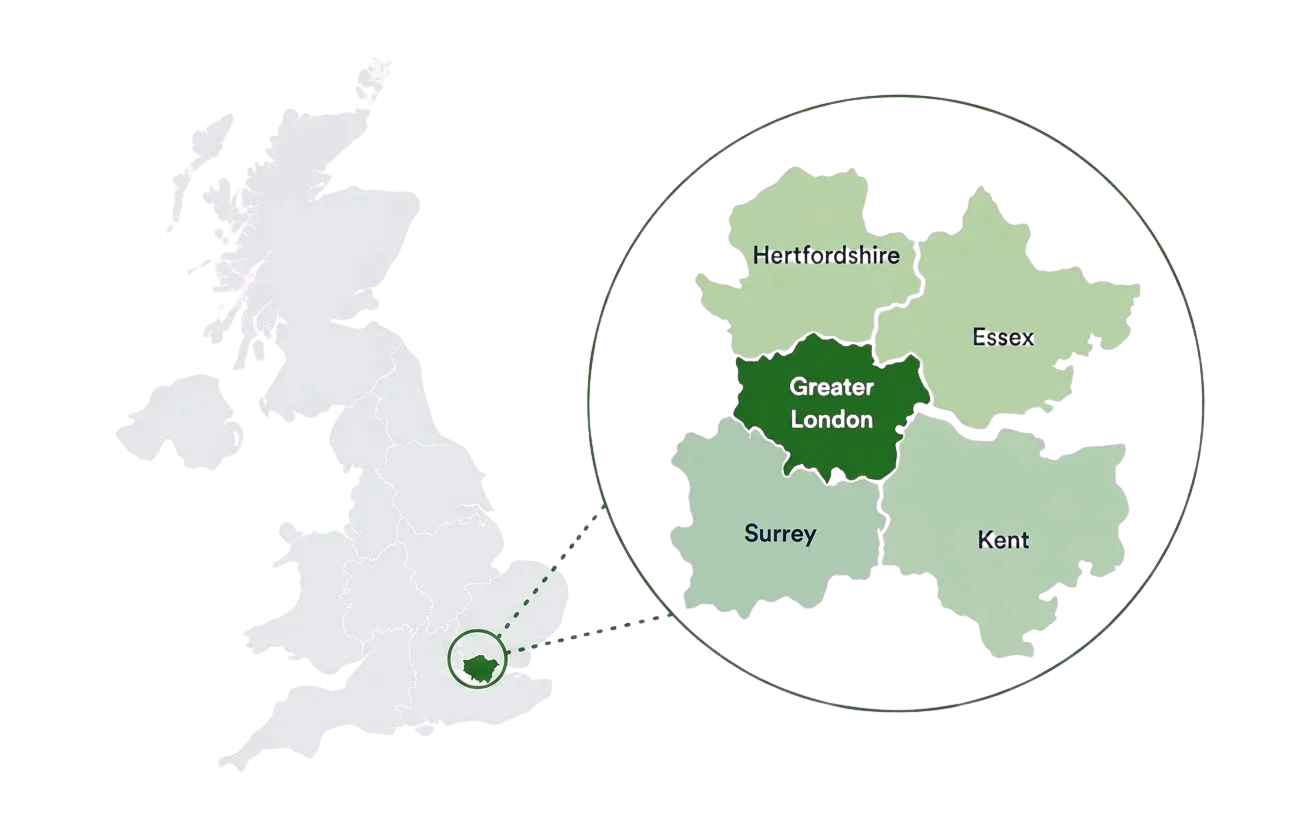
We provide e-waste and IT equipment recycling services across London, surrounding counties and selected UK locations depending on equipment type, volume and project requirements.
Our team can support suitable collections across Greater London, Kent, Surrey, Essex and Hertfordshire, with wider UK collections considered for larger or multi-site projects.
Each request is reviewed individually to ensure the collection can be carried out safely, securely and responsibly.
Frequently Asked Questions
What is e-waste?
E-waste is electrical or electronic equipment that is no longer wanted, usable or suitable for its original purpose.
Is e-waste the same as WEEE?
E-waste is a general term for electronic waste. WEEE stands for Waste Electrical and Electronic Equipment and is commonly used in relation to UK and European recycling rules.
What are examples of e-waste?
Examples include computers, laptops, servers, printers, monitors, mobile phones, tablets, networking equipment, batteries, cables and office electronics.
Can e-waste contain data?
Yes. Many electronic devices contain storage components that may hold confidential data, so secure data handling is important before recycling or reuse.
Can businesses arrange e-waste collection?
Yes. Businesses and organisations can arrange structured e-waste collections for IT equipment, office electronics, data-bearing devices and other suitable electrical items.
Where can I download compliance documents?
Selected licences, certificates, compliance documents, process documents, legal requirement documents and image guides can be accessed from the downloads page.
Arrange E-Waste Recycling
If your organisation needs to dispose of electronic waste, WEEE Recycling Planet can arrange secure collection, data handling, WEEE recycling and documentation.
We support responsible e-waste recycling for organisations across London, surrounding counties and selected UK locations.